
Too often, though, planning for warehousing and storage falls by the wayside in favour of more exciting pre-launch activities. Read on to learn why ecommerce warehousing matters — and what you should do about it.
What is Ecommerce Warehousing?
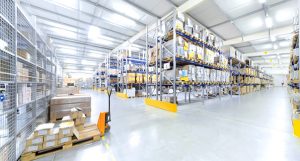 Ecommerce warehousing is the storage of physical goods before they are sold online. Warehousing includes safely and securely storing products, as well as tracking where items are located, when they arrived, how long they’ve been in stock, and the quantity on hand at any given time.
What is Ecommerce Warehouse Management?
Ecommerce warehouse management refers to daily warehouse operations, including (but definitely not limited to!):
- Training and managing warehouse staff.
- Managing inventory, equipment, and safety.
- Building and maintaining relationships with shipping carriers.
- Keeping products secure.
- Forecasting shipping volume and labour demand.
- Obtaining certifications and licensing.
- Scaling operations as the business grows.
- Keeping up with proper safety regulations.
- Recording daily inbound and outbound shipments.
- And much, much more.
A lot of time and resources go into effective ecommerce warehouse management. But many businesses still try to do it all themselves by keeping ecommerce warehousing in-house. Keep reading to learn why.
What are e-commerce warehouses?
Ecommerce warehouses include all the different types of warehouses that can be used to cater to an ecommerce business’s storage requirements. In order to operate efficiently, it’s best to store ecommerce inventory in a dedicated e commerce warehouse, but that still leaves a number of different types for you to choose from:
Private warehouses
Private warehouses are warehouses that are typically owned by larger businesses. This includes wholesalers, distributors, manufacturers, large retailers, or, in ecommerce, online marketplaces. Private warehouses are more expensive to purchase or rent than public warehouses, because they are built to suit the owner or user’s specific needs.
Public warehouses
Public warehouses are usually owned by government agencies and then rented out to businesses, so their rates and amenities offered are all controlled by the firm. Although they are less advanced in terms of size and functionality than private warehouses LIke Third Party Logistic, they are definitely more affordable. Public warehouses are a good choice for short-term storage requirements for ecommerce startups.
Government-owned warehouses
Government-owned warehouses are similar to public warehouses, except they are only owned and managed by either the government. Government-owned warehouses generally provide a lot of security, so they are one of the best choices to store valuable e-commerce products.
Consolidated warehouses
Consolidated warehouses are warehouses that collect, combine, and then transport shipments from multiple suppliers, that are all to be delivered to the same city or area. Since most, if not all, of the inventory would be coming in from other sellers, this type of warehouse does not need to keep large quantities of inventory, which further reduces costs. This low price tag makes them the perfect option for ecommerce business startups.
Cooperative warehouses
Cooperative warehouses are jointly owned by several businesses that are involved in similar sectors or products, and therefore require similar storage needs. Basically, a cooperative warehouse is just a private warehouse with more than one owner. Cooperative warehouses can also be used by members that are in slightly different lines of work, but work together on a common project.
Bonded warehouses
Bonded warehouses are another type of government-owned warehouse. They’re specifically meant for importing businesses that need a place to store their products before they’re ready to pay customs duties for them. Typically, businesses are required to pay customs duties for imported goods right after they’re delivered.
Smart warehouses
Smart warehouses are advanced warehouses that use AI to help with their storage, fulfilment, and management requirements. Unlike in the other types of warehouses, in a smart warehouse, automation isn’t limited to software. Drones, AS/RS (Automated Storage and Retrieval Systems), automated vehicles and carts, and robotic arms are some of the kinds of technology that you may find in a smart warehouse.
What to consider when using an eCommerce warehouse
When choosing an eCommerce warehousing solution, ask yourself these questions to find the right one for you:
- What kind of products do you sell?
International sellers may benefit from the duty-free storage of a bonded warehouse. However, those who sell perishable items often prefer distribution centres. A B2B wholesaler could use a consolidated warehouse, while a niche eCommerce store may enjoy more affordable rates with a public or co-op warehouse.
- How much can you afford to spend on logistics?
The average eCommerce seller spends 11% of their sales on logistics, with transportation and inventory being the largest contributors. As you evaluate eCommerce warehousing solutions, ensure you consider where else you can shift your budget to lower your logistics costs.
- Does the warehouse logistics system work with your other eCommerce software?
To prevent delays and overstocking or understocking, you need all of your systems to communicate directly. An eCommerce help desk like eDesk supports easy integration with your warehouse inventory management system, allowing you to better assist customers and answer questions about their order status.
- Can the warehouse guarantee fast shipping?
Increasingly customers increasingly expect 2-day delivery times or shorter. Ask about the warehouse’s technology. Batch picking, multi-order support, and packing drones can all speed up shipment times. Do they have contingency plans for hiring seasonal and temp workers to meet demand during order spikes?
Reference-